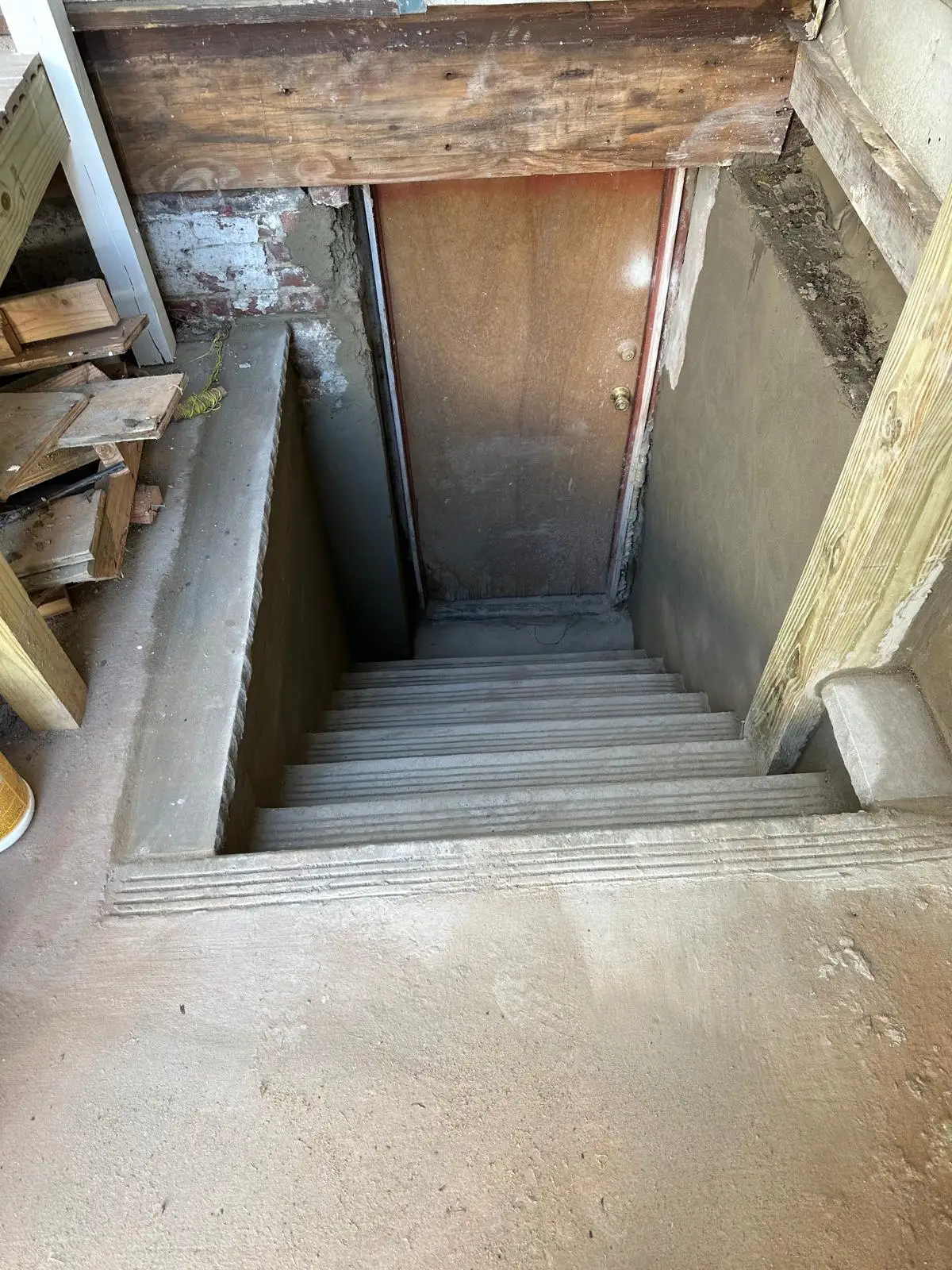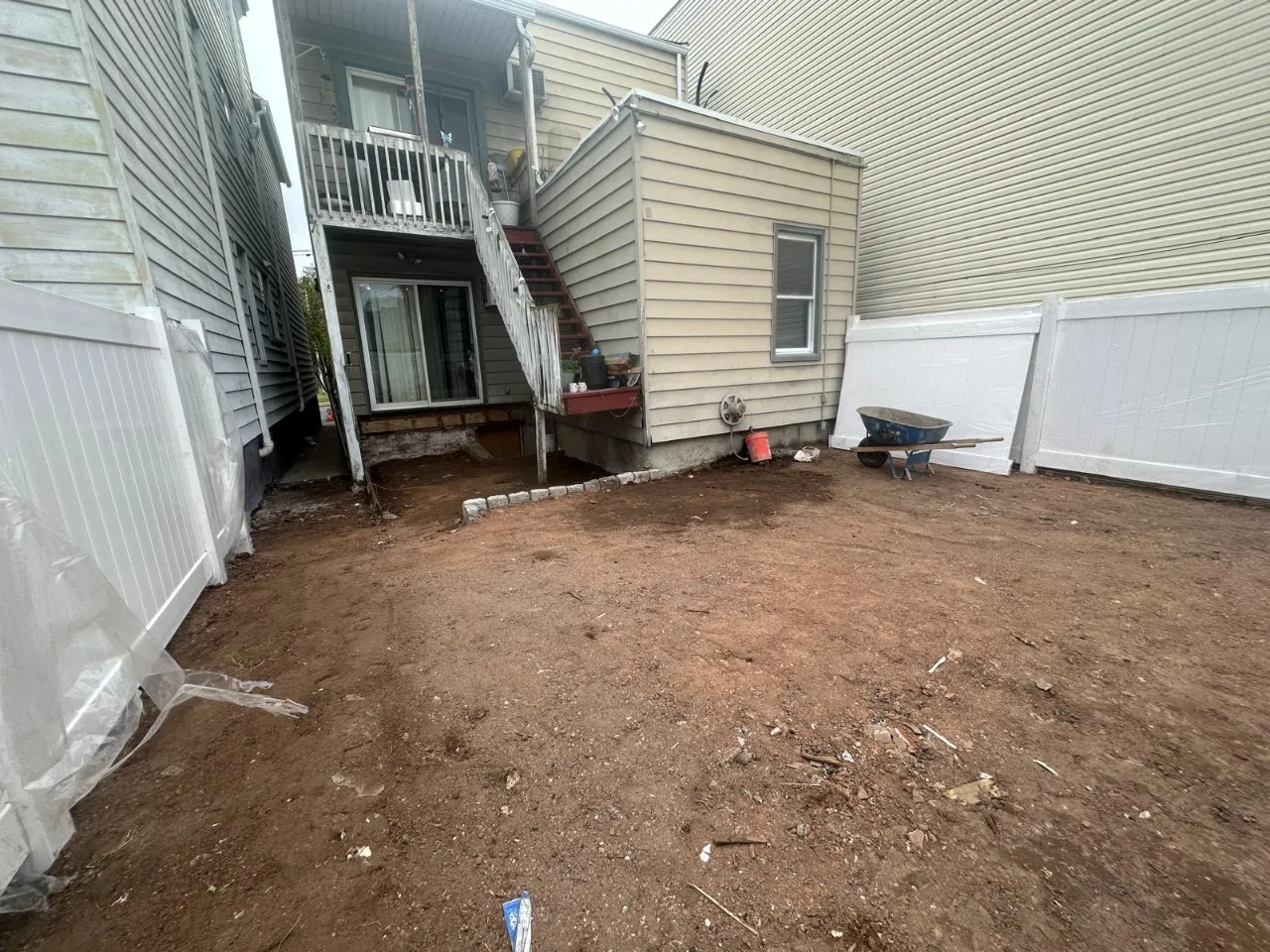
A little basement water is easy to shrug off. But it's usually your foundation trying to tell you something — and it rarely fixes itself.
Common Signs of a Foundation Water Problem
Water doesn't always show up as a flood. Look for damp spots, dark stains, or a musty smell in the basement. White, chalky residue on walls (called efflorescence) means water is moving through the concrete. Cracks that leak, peeling paint, rusting metal, and pooling water after rain are all clear warnings. Catch these signs early — before the problem grows into something bigger and pricier.
What's Actually Causing the Water?
Basement water almost always comes from outside. Poor drainage is the top cause — if the ground slopes toward your house or gutters dump water at the foundation, it has nowhere to go but in. Hydrostatic pressure forces water through tiny gaps, and New Jersey's freeze-thaw cycles widen those gaps over time. Sometimes a missing waterproofing layer or a failed sump pump is the culprit. Finding the real source is key to a lasting fix.
Why You Shouldn't Ignore It
Foundation water gets expensive fast. Standing moisture leads to mold, rots wood framing, and rusts metal. Over time, it can undermine the soil supporting your foundation, causing structural cracks that are far pricier to fix than the original leak. A wet basement also ruins storage and finished space — and it's a red flag buyers notice at resale. Catching the problem early almost always costs less than waiting.
How to Keep Your Basement Dry
The fix depends on the cause, but a few solutions do most of the heavy lifting: foundation waterproofing seals the walls, crack sealing blocks entry points, and improving drainage keeps water away from the house in the first place. A working sump pump handles whatever gets in. In many cases, a combination works best — starting with an inspection to find where the water's really coming from.