Some cracks are harmless. Others signal something's wrong underneath. Here's how to tell the difference — and what to do about it.
What Causes Concrete to Crack?
The biggest culprit in New Jersey is freeze-thaw — water seeps into tiny gaps, freezes, and forces the concrete apart. A weak or poorly compacted base is another common cause. Poor drainage, heavy vehicles on a thin slab, and tree roots all contribute. Most are preventable with proper prep, which is where an experienced crew earns its keep.
Types of Driveway Cracks and What They Mean
Not all cracks are equal. Hairline and shrinkage cracks are mostly cosmetic. Settlement cracks — wider and uneven — point to a base problem. Heaving cracks push the slab upward from frost or roots. Spider-web cracking spreads across the surface from a bad mix. If cracks are wider than a quarter inch or the edges don't line up, don't wait.
Repair or Replace? How to Decide
It depends. Small, stable cracks can be cleaned and sealed — an affordable fix that buys you years. But once cracks are wide, spreading, or paired with sinking sections, replacement is usually the better value. A crumbling driveway has likely lost its base. If you're unsure, a professional inspection can save you from paying twice.
How to Prevent Future Cracks
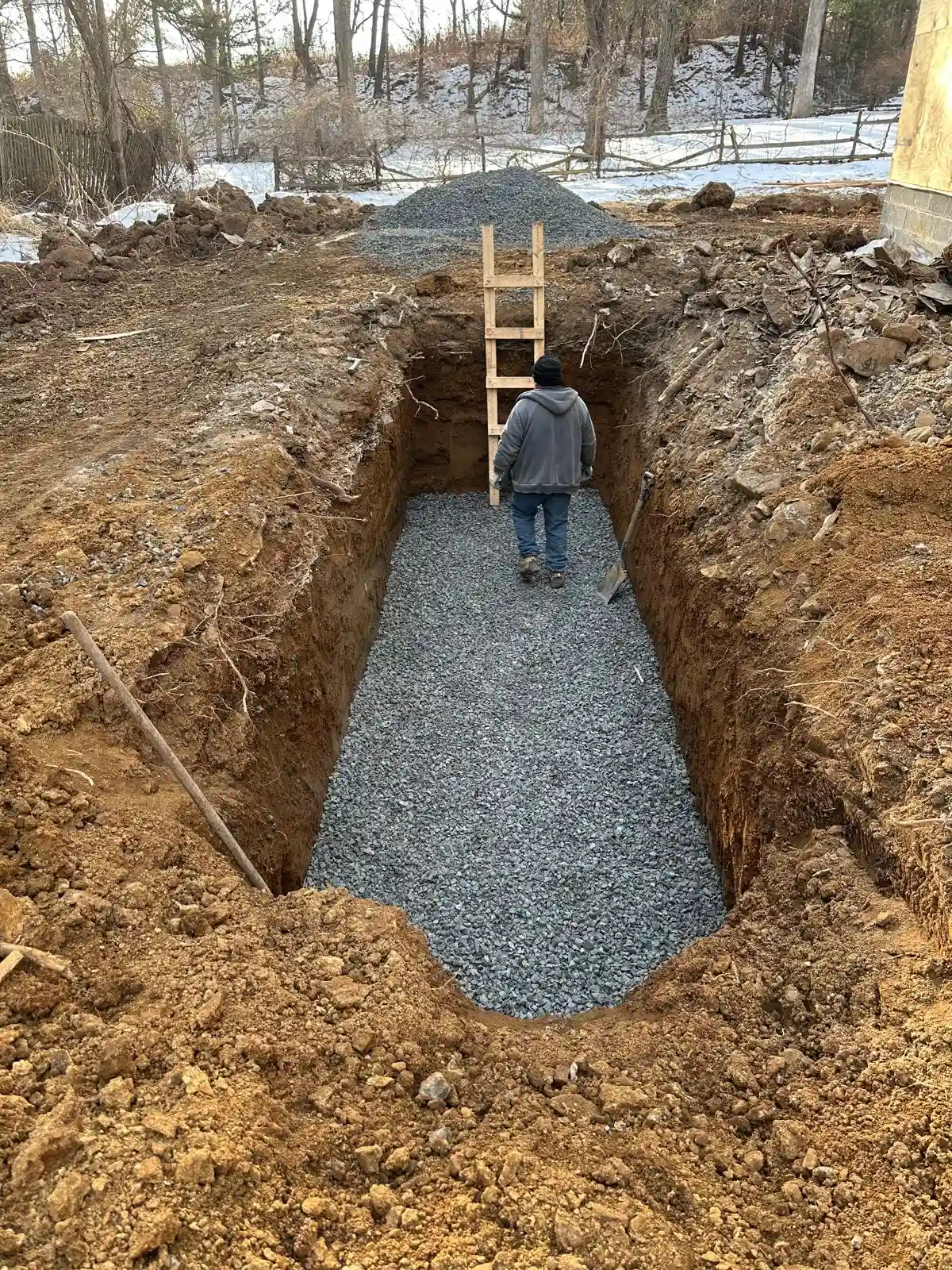
You can't stop every crack, but you can slow them down. Seal every couple of years, keep water flowing away from the slab, and skip heavy trucks when you can. For a new pour, insist on proper base prep and the right thickness — that's the single biggest factor in how long it lasts. Cutting corners on prep is what leads to early cracking.